BESS for Factories: Lower Energy Cost and Improve Power Reliability
Factories are among the best candidates for BESS: they consume large amounts of electricity and face high demand spikes, so storing electricity and discharging it when needed reduces demand charges, improves solar use and supports expansion.
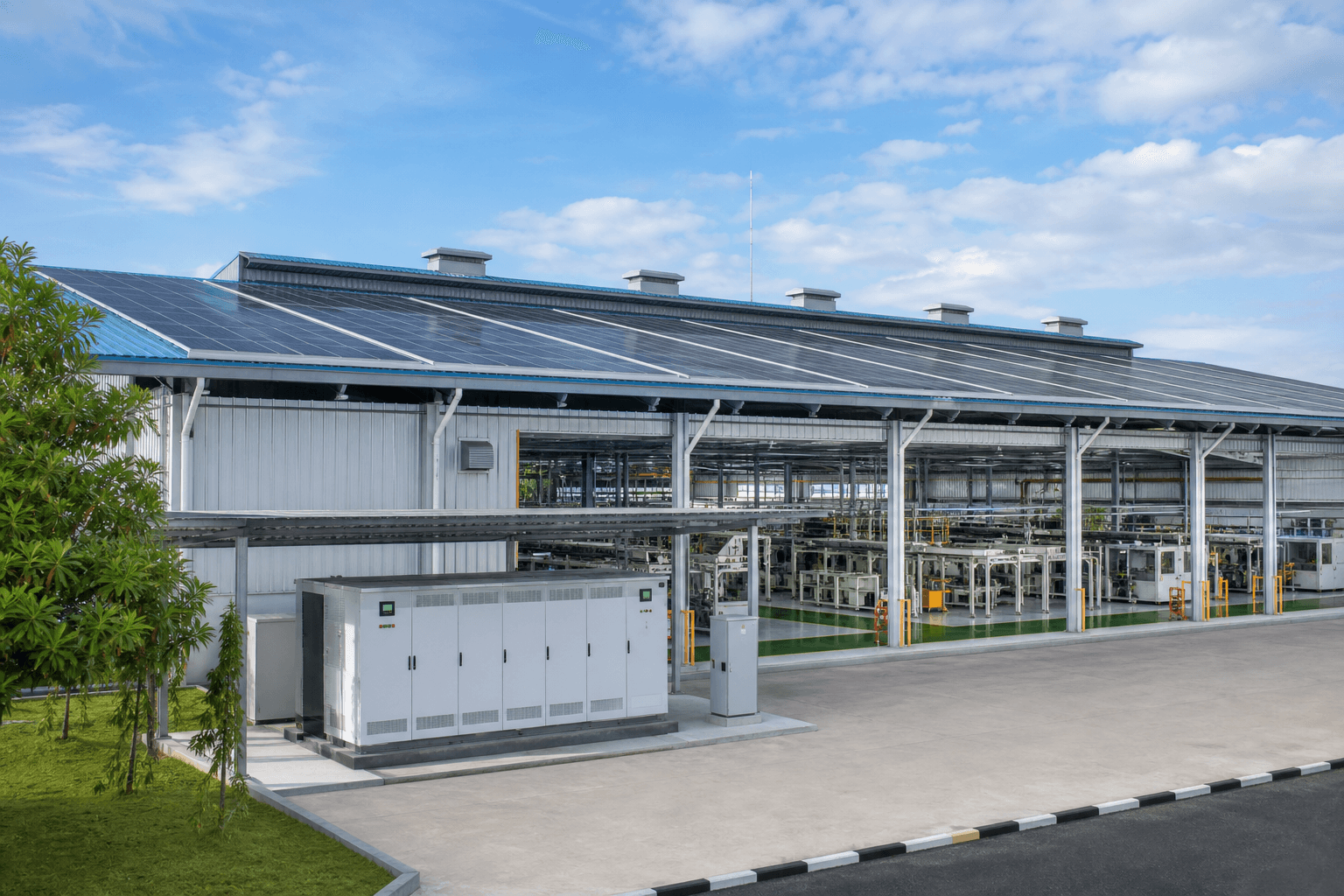
Why factories need better energy control
Factory load can change quickly with production schedules, machinery start-up and equipment cycles. Common challenges include high maximum demand charges, demand spikes during start-up, large bills, grid capacity limitations, expansion constraints, solar mismatch, power-quality concerns and pressure to improve ESG. BESS gives factories a flexible way to manage electricity.
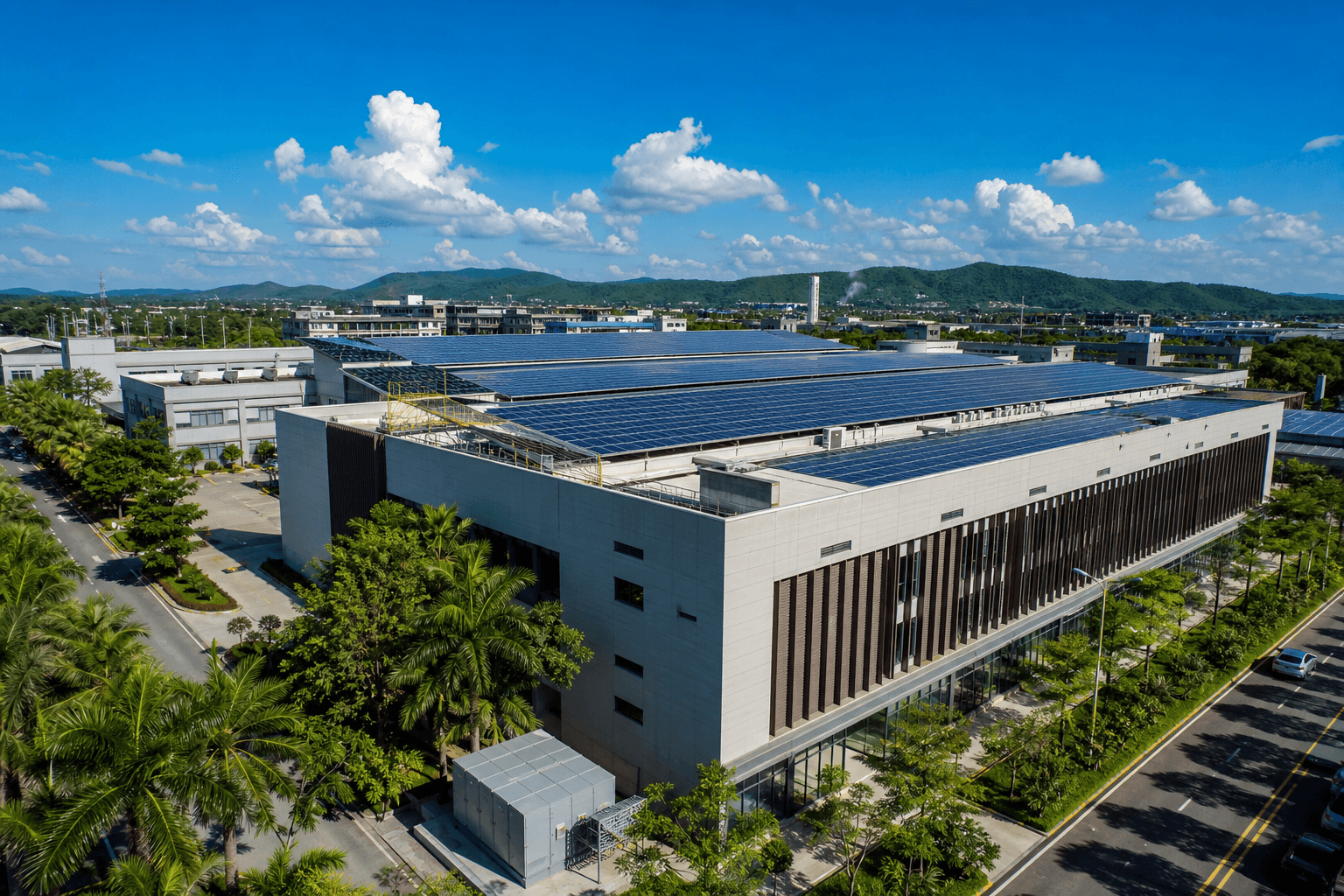
How BESS reduces factory energy cost
BESS reduces cost through maximum demand peak shaving, solar energy storage, load shifting, energy-usage optimisation and reduced reliance on the grid during peaks. For many factories, demand charges are a significant part of the bill, so reducing the peak can achieve meaningful savings.
Maximum demand reduction for factories
BESS detects rising demand and discharges to support the load — especially useful for factories with:
- Large motors and injection-moulding machines
- Compressors and CNC machines
- Chillers and pumps
- Production lines
- Furnaces or heating equipment
- High start-up loads
Solar + BESS and power expansion
Many factories install rooftop solar, but generation may not match load — peaks may occur during start-up, late afternoon or evening shifts. BESS stores excess solar for later, improving self-consumption. It also supports power expansion: when adding a new line would push peak demand beyond the grid limit, BESS can supply the extra power during peaks, reducing pressure on existing infrastructure while a longer-term upgrade is planned.
Reliability and ESG
Power reliability matters for factories — outages cause downtime, defects, equipment damage and losses. BESS can support reliability as part of a broader strategy with UPS, generators and power-quality equipment. It also strengthens ESG: solar reduces emissions, and BESS improves the ability to use that solar energy effectively, supporting reporting required by customers, investors and international buyers.
Frequently Asked Questions
Yes — for factories with high electricity bills, maximum demand charges, solar systems or expansion needs.
By lowering maximum demand, storing solar energy and optimising energy usage.
Yes. BESS can support additional load during peak periods and reduce pressure on existing grid capacity.
Yes — especially when integrated with the right electrical and control systems.
Related reading
Keep exploring — more from the Solunar Knowledge Centre:
Have a Solar + BESS project to discuss?
Solunar supports EPCC companies, developers and asset owners with technology, integration and O&M.