BESS for LSS and Future Solar Farms
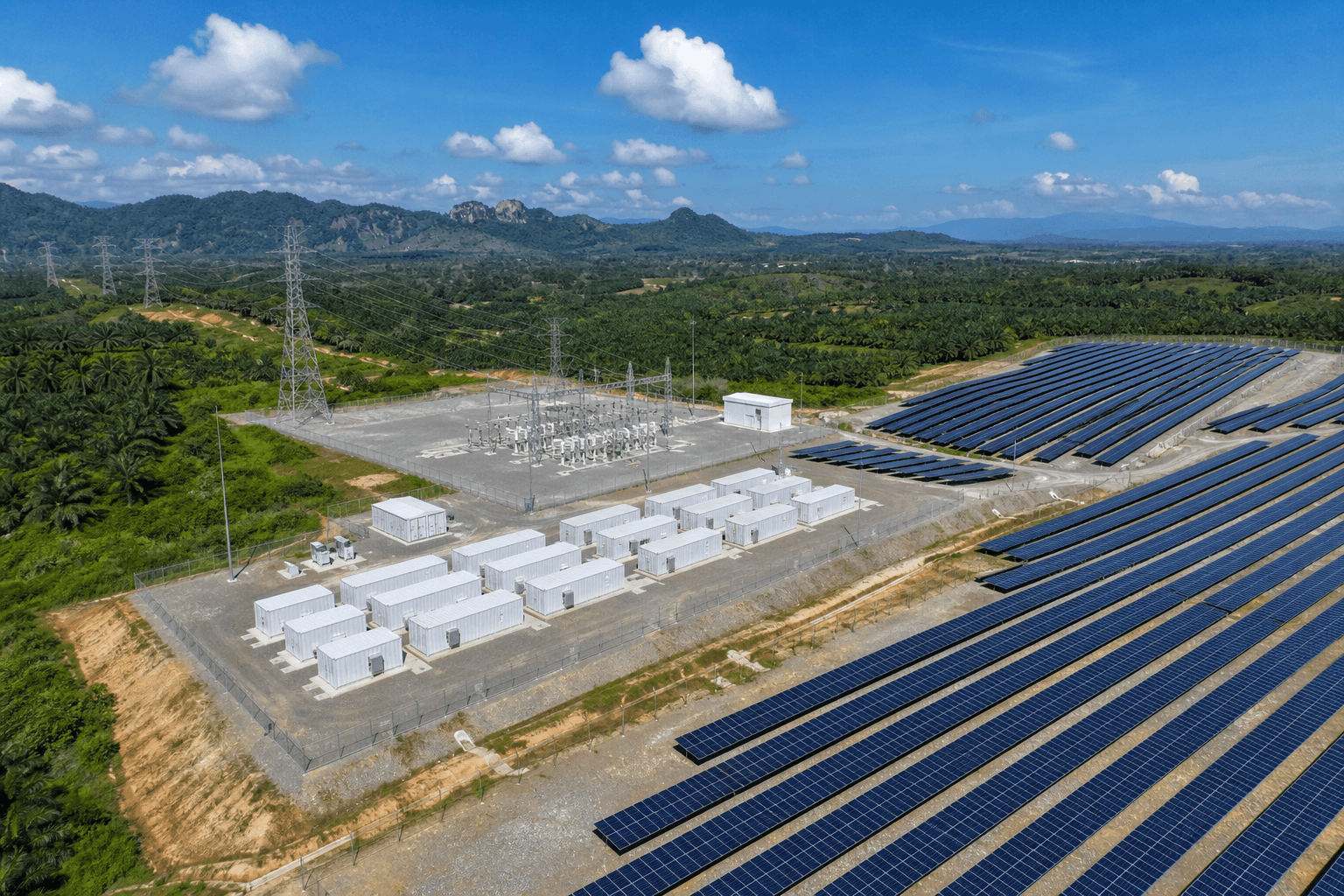
LSS and future solar farms are not only about more megawatts — they are about building solar assets that operate reliably within Malaysia’s electricity system, where BESS plays an important role.
Why LSS projects need storage thinking
As more solar connects, the grid must manage more variable generation. BESS helps future solar farms become more grid-friendly by providing:
- Output smoothing and ramp-rate control
- Energy shifting
- Frequency response and voltage support
- Peak-period delivery
- Reserve capacity
BESS and project bankability
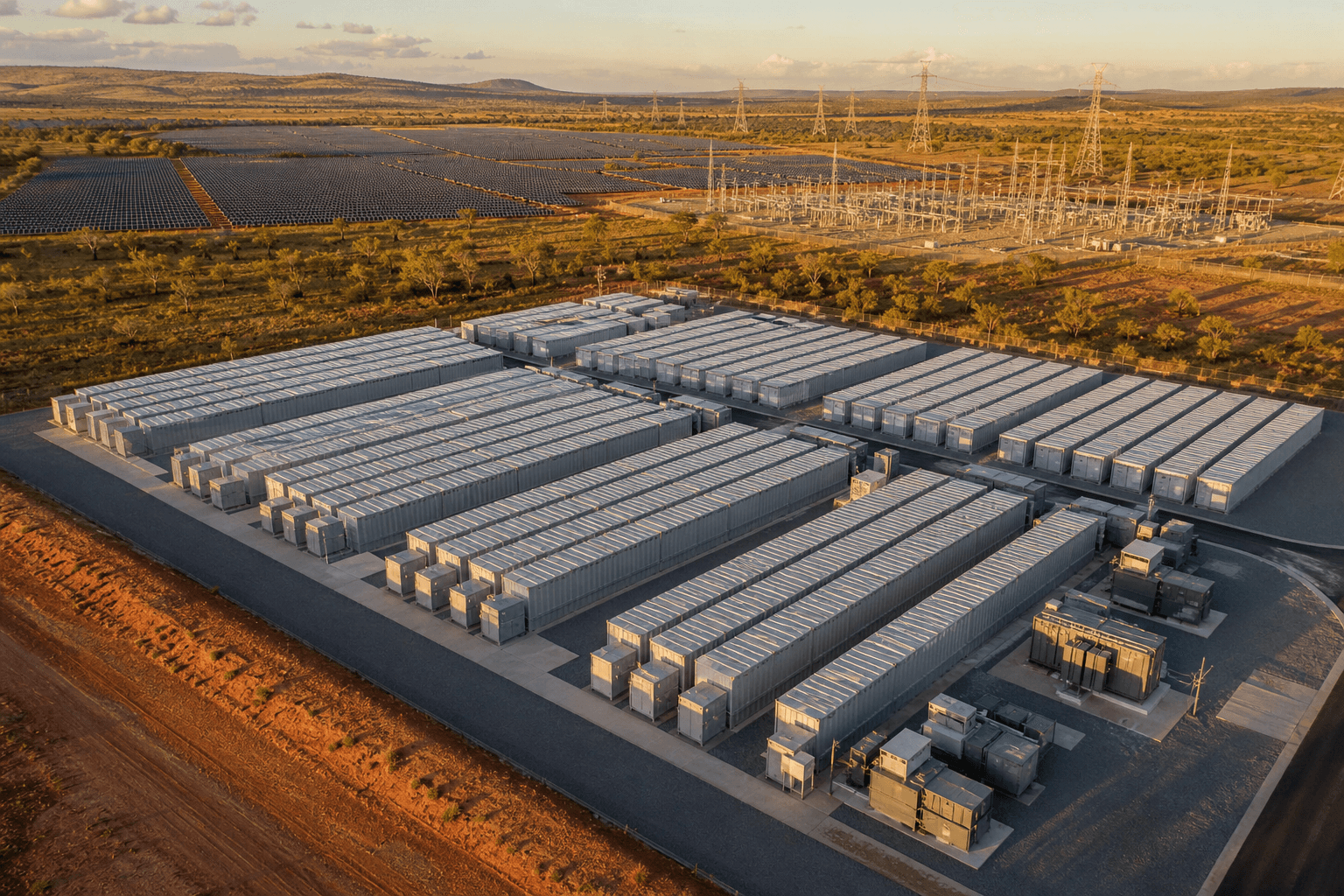
BESS may improve bankability because it strengthens the technical and commercial profile. Banks and funds usually look at:
- Revenue certainty and grid-connection risk
- Technical reliability and technology warranty
- Safety standards and O&M capability
- Long-term asset performance
BESS for future LSS models
Future LSS projects may increasingly consider storage for grid compliance, firm energy delivery, hybrid solar + storage tender structures, ancillary services, curtailment management and corporate offtake matching. Even where BESS is not mandatory, early-stage design helps developers future-proof their solar farms.
Why design early
BESS should not be an afterthought. Early planning optimises land layout, grid interconnection, transformer sizing, cable routing, fire-safety distance, EMS strategy, CAPEX and lifecycle cost, and expansion planning. Added too late, a project may face redesign costs, space constraints and integration issues.
Frequently Asked Questions
Not always mandatory, but BESS improves grid integration, dispatchability and bankability — and early design future-proofs the project.
During the planning and design stage, to optimise layout, interconnection and cost.
It strengthens the technical and commercial case that banks and funds assess.
Related reading
Keep exploring — more from the Solunar Knowledge Centre:
Have a Solar + BESS project to discuss?
Solunar supports EPCC companies, developers and asset owners with technology, integration and O&M.