Solar Tax Incentive and BESS Tax Incentive for C&I Customers
For C&I customers, solar and BESS should be evaluated together: under the current green-technology framework for own-consumption assets, BESS is Tier 1 (100% GITA) while renewable energy systems are Tier 2 (60% GITA), both set off against up to 70% of statutory income, for the period until 31 December 2026.
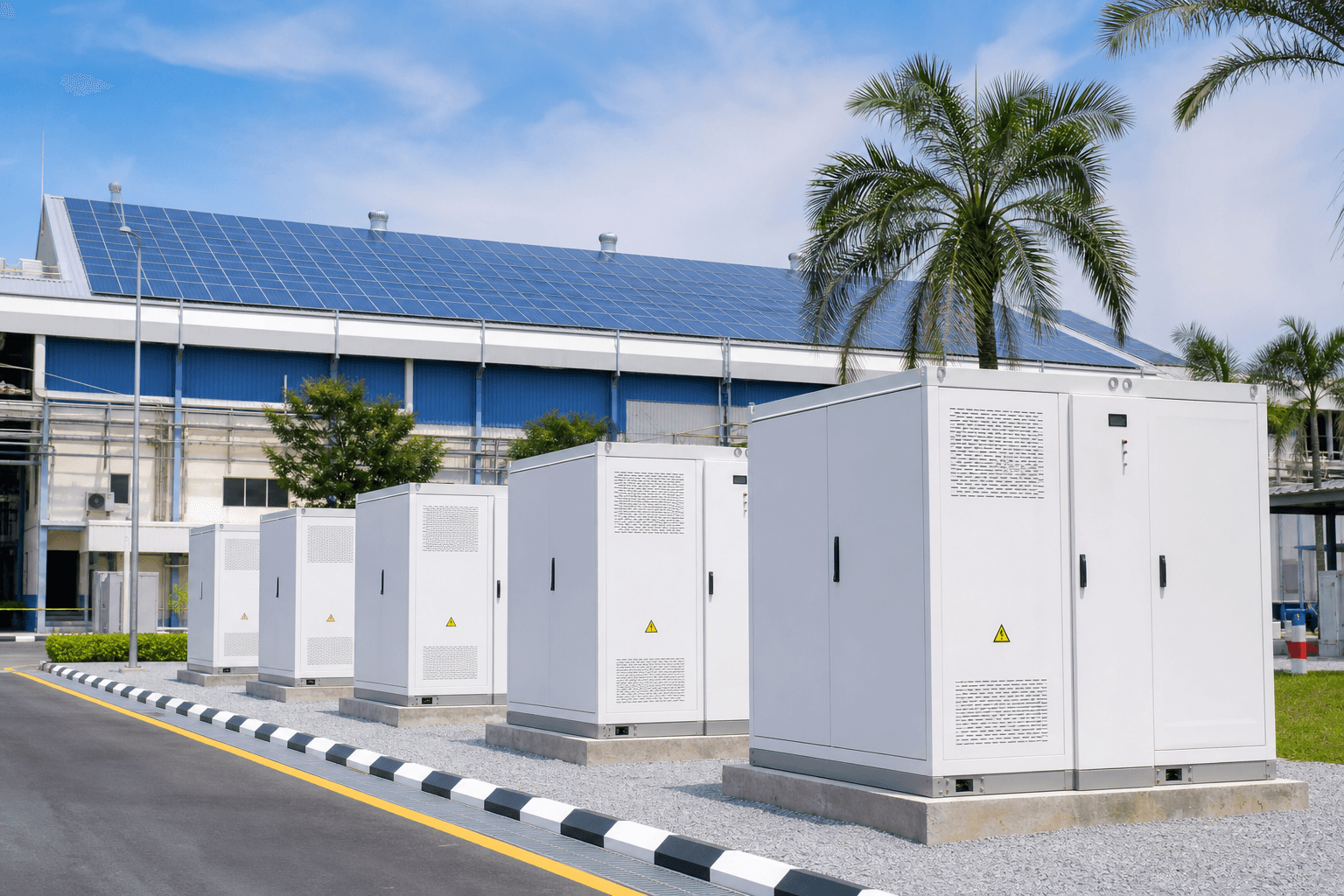
Solar vs BESS: what is the difference?
Solar PV generates electricity and reduces what a business buys from the grid (kWh). BESS stores electricity and releases it when needed — managing peak demand (kW), storing solar and supporting reliability. For C&I customers, the best result often comes from combining both.
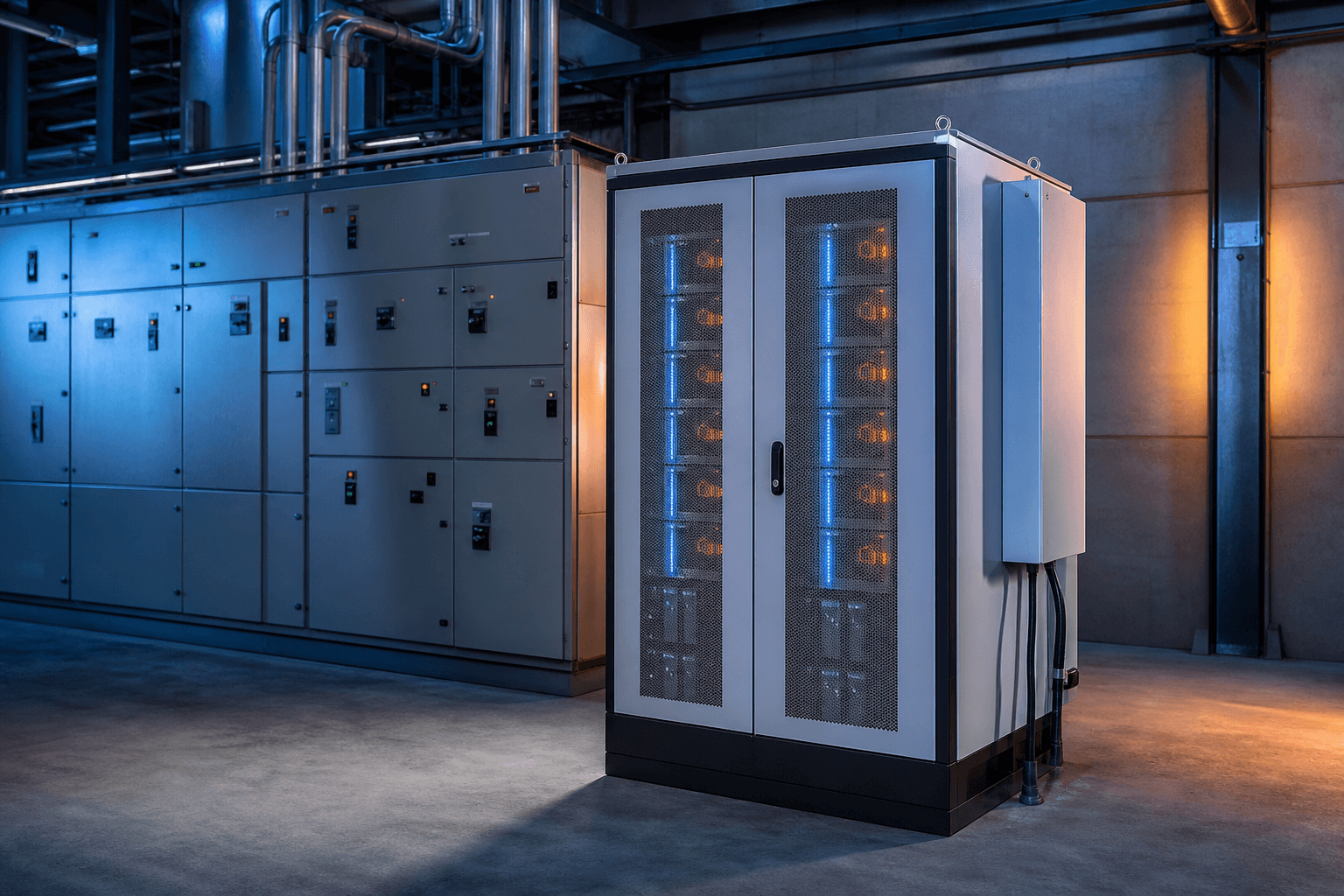
How each saves money
Solar saves money mainly by reducing kWh consumption from the grid — strongest where daytime load is high. BESS saves money differently, through demand management and load optimisation:
- Reduce maximum demand charges
- Use more solar energy internally
- Avoid peak load spikes
- Improve power reliability
- Support future electrification
- Reduce dependence on grid upgrades
Why solar alone may not be enough
A solar-only system may not fully solve the problem when peak demand happens outside solar hours, the load fluctuates heavily, the building operates at night, generation exceeds daytime consumption, the customer wants reliability, the grid is constrained, or the customer wants to expand. BESS improves the overall system in these cases.
Tax-incentive positioning and timing
For C&I customers, the incentive should be part of the decision: the framework recognises own-consumption green-technology assets, with BESS under 100% GITA and renewable energy systems under 60% GITA, subject to approval. The guideline applies to applications received until 31 December 2026, so customers should act early — proper Solar + BESS planning takes time and should not be rushed at the end of the period.
Important note
Disclaimer: Tax-incentive eligibility is subject to approval by the relevant authorities and the customer’s specific tax position, qualifying capital expenditure, timing, documentation and compliance requirements. Businesses should consult their tax adviser before making investment decisions.
Frequently Asked Questions
Yes. Solar reduces energy charges while BESS reduces demand charges — together they create a stronger C&I business case.
For own-consumption assets, BESS is listed under Tier 1 (100% GITA) and renewable energy systems under Tier 2 (60% GITA), subject to approval.
The guideline applies to applications received until 31 December 2026, and proper planning takes time.
Related reading
Keep exploring — more from the Solunar Knowledge Centre:
Have a Solar + BESS project to discuss?
Solunar supports EPCC companies, developers and asset owners with technology, integration and O&M.