BESS Safety: What Developers, Banks and EPCCs Need to Know
BESS safety is not only a technical issue — it is a bankability issue. A project must be designed with proper safety architecture, certified equipment, bankable warranties, thermal management, monitoring and professional O&M, or it can be hard to finance, insure or operate.
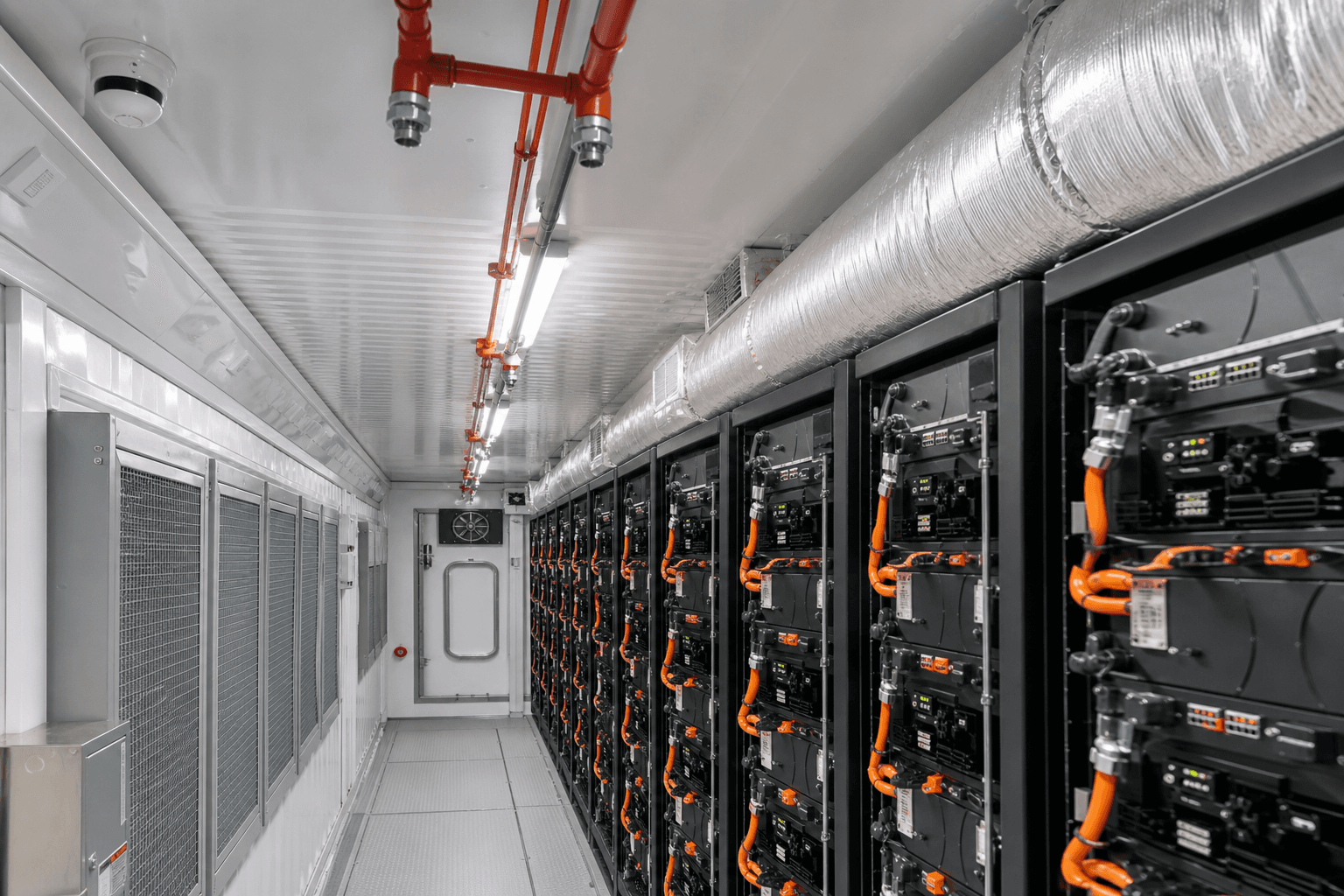
Why BESS safety matters to banks and investors
For financiers, BESS safety is directly linked to:
- Project bankability and insurance acceptance
- Asset performance and warranty enforceability
- Fire and operational risk
- Long-term cash-flow stability and debt-service confidence
- Reputation and ESG risk

What developers and EPCCs must get right
A bankable BESS project should address five core areas: battery safety architecture (cell, module, rack, container and site-level protection); thermal management (heat is one of the most important risks); fire safety design (early detection, suppression, spacing, access and emergency response); warranty and degradation (aligned with the actual cycling profile, depth of discharge, C-rate and temperature); and O&M with remote monitoring throughout the lifecycle. Global references such as NFPA 855 and UL 9540A are widely used to evaluate energy-storage fire and thermal-runaway behaviour.
It is the full system, not the battery brand
Banks, funds and technical advisors assess the full system architecture — battery chemistry, PCS, EMS, BMS, fire protection, cooling, warranty terms, degradation assumptions and O&M strategy — not the battery brand alone. A BESS is only as safe as its weakest layer.
How Solunar approaches it
Solunar delivers integrated BESS solutions focused on safe system architecture, battery/PCS/EMS integration, fire-safety planning, thermal-management review, warranty and degradation alignment, cloud-based O&M, remote monitoring and lifecycle asset support — helping build projects that banks can finance, insurers can understand and asset owners can operate with confidence.
Frequently Asked Questions
No. It is directly linked to bankability, insurance, warranty and long-term asset performance.
Global references such as NFPA 855 and UL 9540A are widely used to evaluate energy-storage fire and thermal behaviour.
No. Safety depends on the full system — chemistry, BMS, PCS, EMS, cooling, fire protection, integration and O&M.
Related reading
Keep exploring — more from the Solunar Knowledge Centre:
Have a Solar + BESS project to discuss?
Solunar supports EPCC companies, developers and asset owners with technology, integration and O&M.