How BESS Helps Businesses Use More Solar Energy
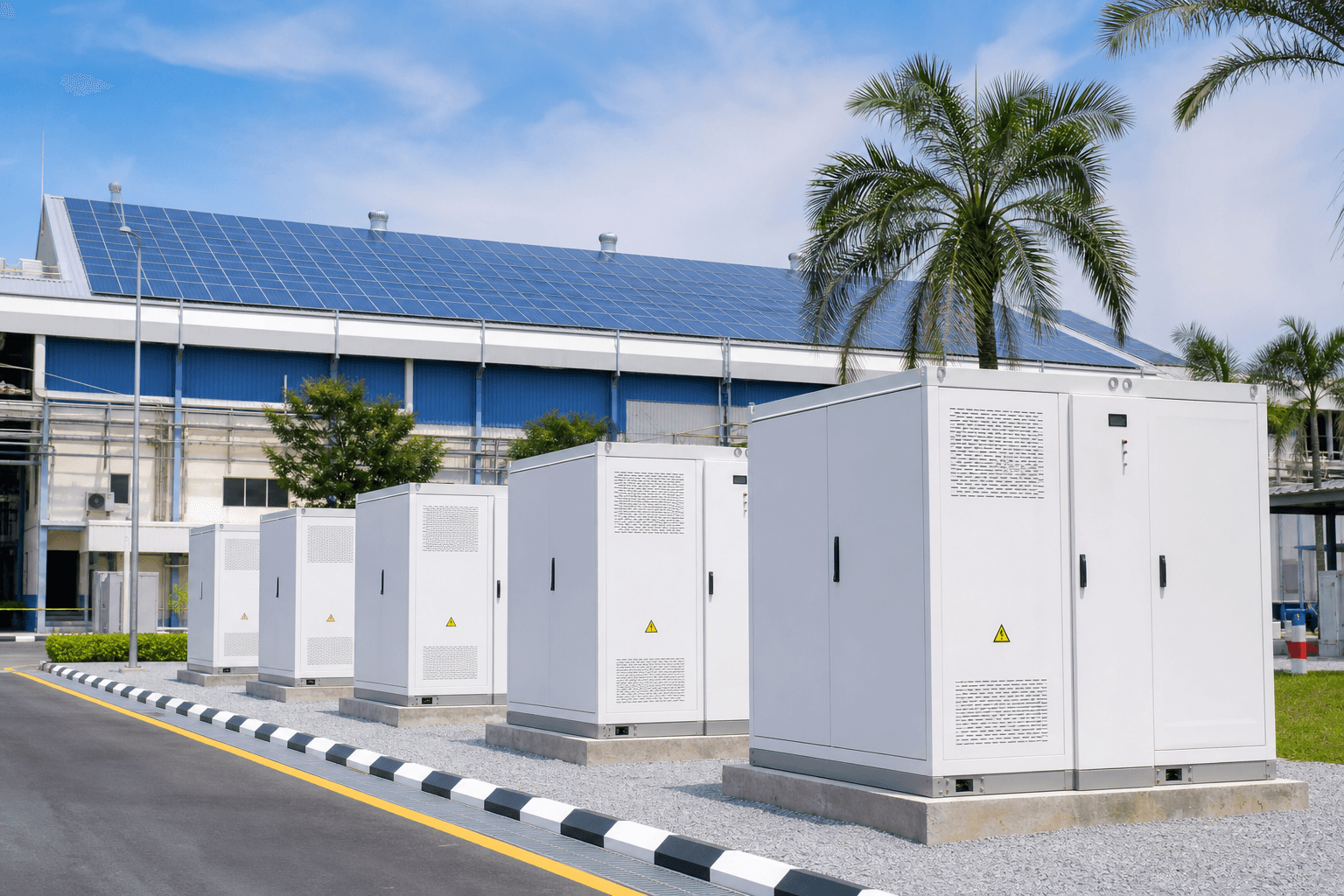
BESS helps businesses use more of their own solar energy by storing excess solar generation and releasing it when needed — increasing solar self-consumption and reducing reliance on grid electricity.
What is solar self-consumption?
Solar self-consumption means using the solar electricity generated by your own system. If a factory generates 1,000 kWh and uses 800 kWh directly, self-consumption is 800 kWh. The higher the self-consumption, the more value the business captures — and BESS increases it by storing solar that cannot be used immediately.
Why solar energy may be underused
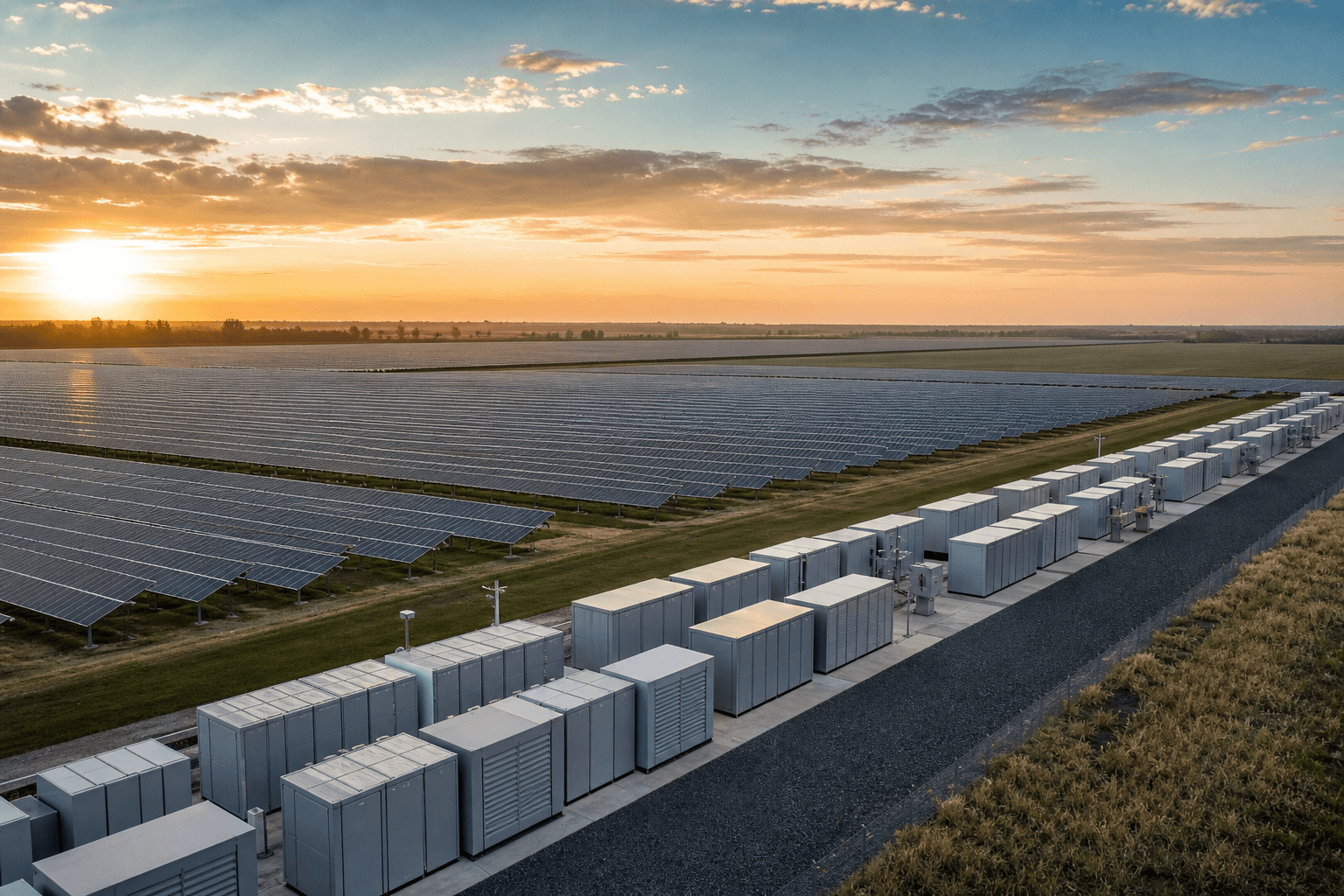
A business may not fully use its solar because of timing mismatch — for example when:
- Solar generation is high during midday
- Business load is lower during lunch breaks
- The factory operates more in the evening
- Production slows during weekends
- Cloud movement causes generation fluctuation
- The solar system is larger than daytime load, or export is limited
How BESS increases self-consumption
BESS stores excess solar during high-generation periods, then discharges later when solar output drops or demand increases. In practical terms, it turns solar power from a daytime-only resource into a more flexible energy asset.
Worked examples
A factory generating strong solar from 11am–2pm but peaking at 4pm can store midday solar and discharge it at 4pm — using more solar and reducing grid demand during peak operations. A mall generating solar during the day but consuming into the evening can store daytime solar for evening use, improving the value of the PV system.
Reduced grid reliance and peak shaving
Using more solar reduces reliance on grid electricity, lowering cost and supporting ESG reporting. BESS also discharges during maximum demand peaks to reduce demand charges — so it improves both energy savings and demand savings. The EMS balances these objectives based on the site’s data.
Frequently Asked Questions
BESS stores excess solar energy and releases it when the business needs power later.
Yes — subject to technical review.
Yes. By storing and using more solar energy, BESS can reduce reliance on grid electricity.
Yes. BESS can improve solar utilisation, reduce maximum demand and increase energy flexibility.
Related reading
Keep exploring — more from the Solunar Knowledge Centre:
Have a Solar + BESS project to discuss?
Solunar supports EPCC companies, developers and asset owners with technology, integration and O&M.