LSS6 Malaysia: What Solar Developers & EPCCs Need to Know
LSS6 (Large Scale Solar 6) is the latest round of Malaysia’s competitive bidding programme for utility-scale solar farms, administered by the Energy Commission (Suruhanjaya Tenaga). It continues the multi-gigawatt build-out under the National Energy Transition Roadmap (NETR) — and, more than any round before it, it rewards bidders who understand energy storage, grid compliance and long-term asset performance.
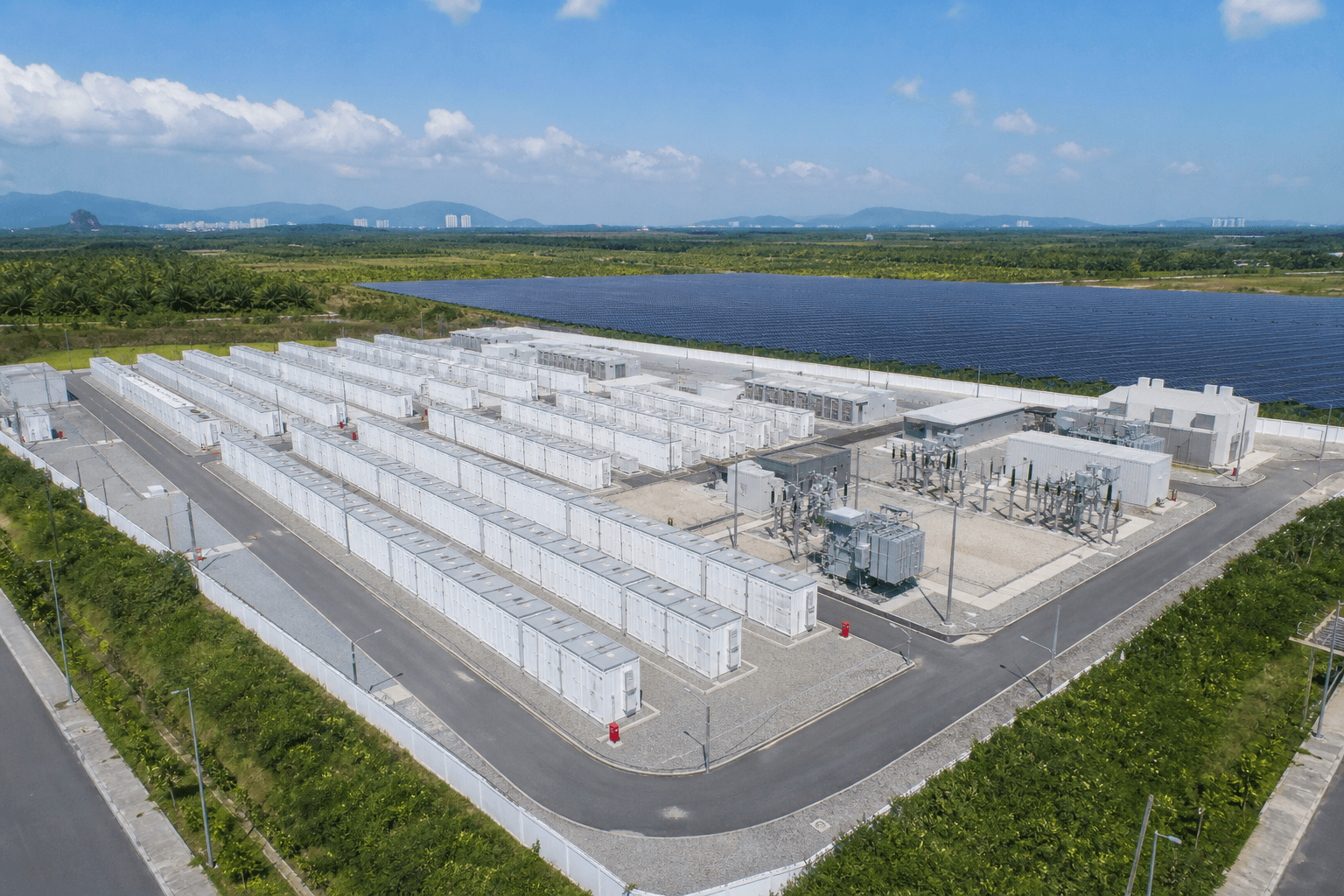
What is the Large Scale Solar (LSS) programme?
Large Scale Solar is Malaysia’s flagship competitive bidding mechanism for grid-connected, utility-scale solar plants. Since the first round in 2016, successive rounds — LSS1 through LSS4 (LSS@MEnTARI), then LSS5 and LSS5+ in 2024–2025 — have awarded thousands of megawatts of capacity to developers who bid the most competitive tariffs.
Winning bidders sign a long-term power purchase agreement (PPA) with TNB — around 21 years in recent rounds — giving the project stable, contracted revenue that banks can finance. That structure has made LSS the main entry route into Malaysian utility-scale solar for local developers, consortiums and EPCC-backed teams.
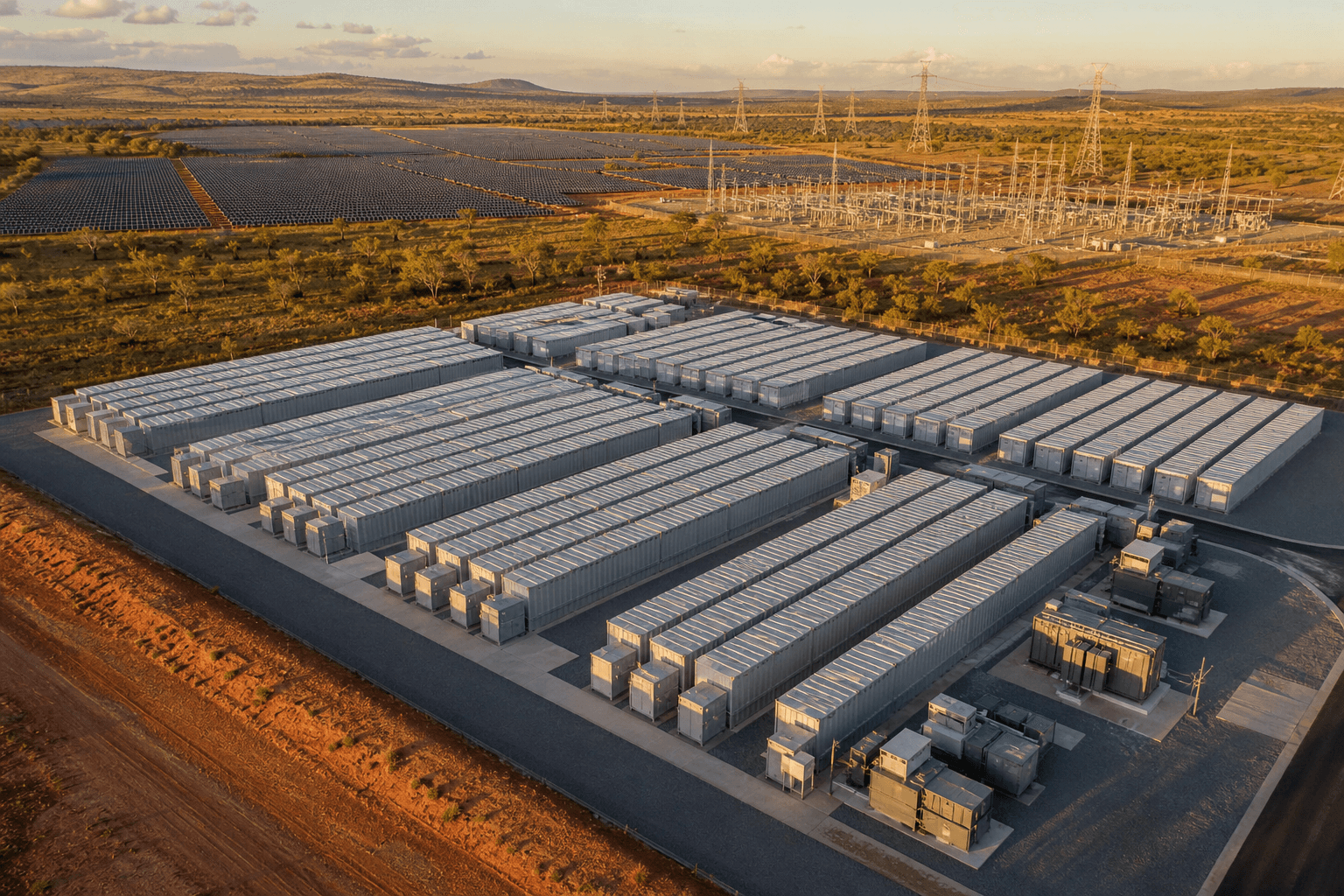
What makes the LSS6 era different
Each round has raised the bar, and the LSS6 cycle continues that trajectory. Developers and EPCCs entering this round should expect:
- Tighter tariff competition — winning requires disciplined LCOE engineering, not just cheap panels
- A bigger role for energy storage — hybrid solar + BESS thinking is moving from optional to strategic
- Grid capacity constraints — interconnection studies and grid-code compliance receive more scrutiny
- Larger and more varied packages — including sizeable ground-mounted plants and floating solar
- More mature bankability expectations — lenders now benchmark technology, warranties and O&M plans
- Alignment with NETR — Malaysia’s roadmap towards 70% renewable capacity by 2050 keeps the pipeline growing
How LSS bidding works
While every round has its own Request for Proposal (RFP) with specific rules, the overall shape is consistent: pre-qualification (shareholding and local-participation requirements, technical capability, financial standing), followed by site control and grid-interconnection feasibility, then a competitive tariff bid evaluated by the Energy Commission.
Successful bidders move through PPA signing, financial close, EPCC contracting and construction towards a scheduled commercial operation date (COD). Missing milestones can put bid bonds and the PPA at risk — which is why experienced delivery partners matter as much as a sharp tariff.
Always confirm current requirements, package sizes and dates against the Energy Commission’s official RFP documents — details change between rounds.
Why energy storage now shapes winning bids
Malaysia’s grid is absorbing more solar every year, and the system operator needs plants that behave predictably. That is pushing storage into the centre of utility-scale strategy:
- Evening value — BESS shifts solar energy into hours when the grid actually needs it
- Curtailment protection — stored energy is not lost when export is constrained
- Grid-code performance — ramp-rate control, frequency support and voltage stability
- Separate BESS procurement — the Energy Commission has already run Malaysia’s first dedicated grid-scale battery storage tender, signalling where the market is heading
- Hybrid readiness — plants designed BESS-ready today avoid costly retrofits tomorrow
What EPCCs need to prepare for LSS6-era projects
For EPCC companies, LSS6 is an opportunity to win larger scopes — but utility-scale storage demands capabilities beyond solar EPC:
- Battery, PCS and EMS selection backed by real supplier relationships
- System architecture and integration engineering, not just equipment supply
- Fire safety, thermal management and compliance documentation lenders accept
- Grid-compliance engineering for ramp, frequency and reactive power duties
- Long-term O&M, monitoring and battery-health management plans
How Solunar supports LSS6 bidders
Solunar Energy is the Solar + BESS technology partner behind EPCCs, developers and asset owners. For teams preparing utility-scale bids, we provide feasibility and storage sizing, multi-brand battery supply (BYD, EVE, GoodWe), PCS and EMS architecture, safety and bankability documentation, and long-term O&M planning — so your bid is technically credible from day one, without building a storage division in-house.
LSS6 at a glance:
- The latest round of Malaysia’s utility-scale solar bidding programme, run by the Energy Commission
- Long-term TNB PPAs give winning projects bankable, contracted revenue
- Competition is decided on tariff — and increasingly on storage and grid capability
- BESS strengthens dispatch, curtailment resilience and grid-code compliance
- EPCCs need storage expertise to win and deliver — or a technology partner who brings it
Frequently Asked Questions
LSS6 (Large Scale Solar 6) is the latest round of Malaysia’s competitive bidding programme for grid-connected, utility-scale solar farms, administered by the Energy Commission (Suruhanjaya Tenaga) as part of the country’s energy transition under NETR.
Each round’s RFP sets the rules, but LSS bids typically come from Malaysian-led developers, consortiums and EPCC-backed teams that meet shareholding, technical and financial pre-qualification requirements.
Storage is increasingly central to Malaysia’s utility-scale programme. The Energy Commission has already run a dedicated grid-scale BESS tender, and hybrid solar + BESS capability strengthens grid compliance, dispatch value and long-term competitiveness of LSS-era projects.
EPCCs deliver the engineering, procurement, construction and commissioning scope for winning bidders — and increasingly need BESS capability. Partnering with a storage integrator like Solunar lets an EPCC offer Solar + BESS scope without building that expertise in-house.
Always refer to the Energy Commission (Suruhanjaya Tenaga) official announcements and RFP documents for current package details, eligibility rules and timelines — specifics change between rounds.
Related reading
Keep exploring — more from the Solunar Knowledge Centre:
Have a Solar + BESS project to discuss?
Solunar supports EPCC companies, developers and asset owners with technology, integration and O&M.