LSS6 vs CRESS: Two Routes to Utility-Scale Solar + Storage in Malaysia
Malaysian developers now have two main routes to build utility-scale renewable assets: LSS6, the Energy Commission’s competitive solar tender with a long-term TNB PPA, and CRESS, the Corporate Renewable Energy Supply Scheme that lets developers sell renewable electricity directly to corporate buyers through the grid. They differ in offtake, risk, timing and the role of battery storage.
Two pathways, one energy transition
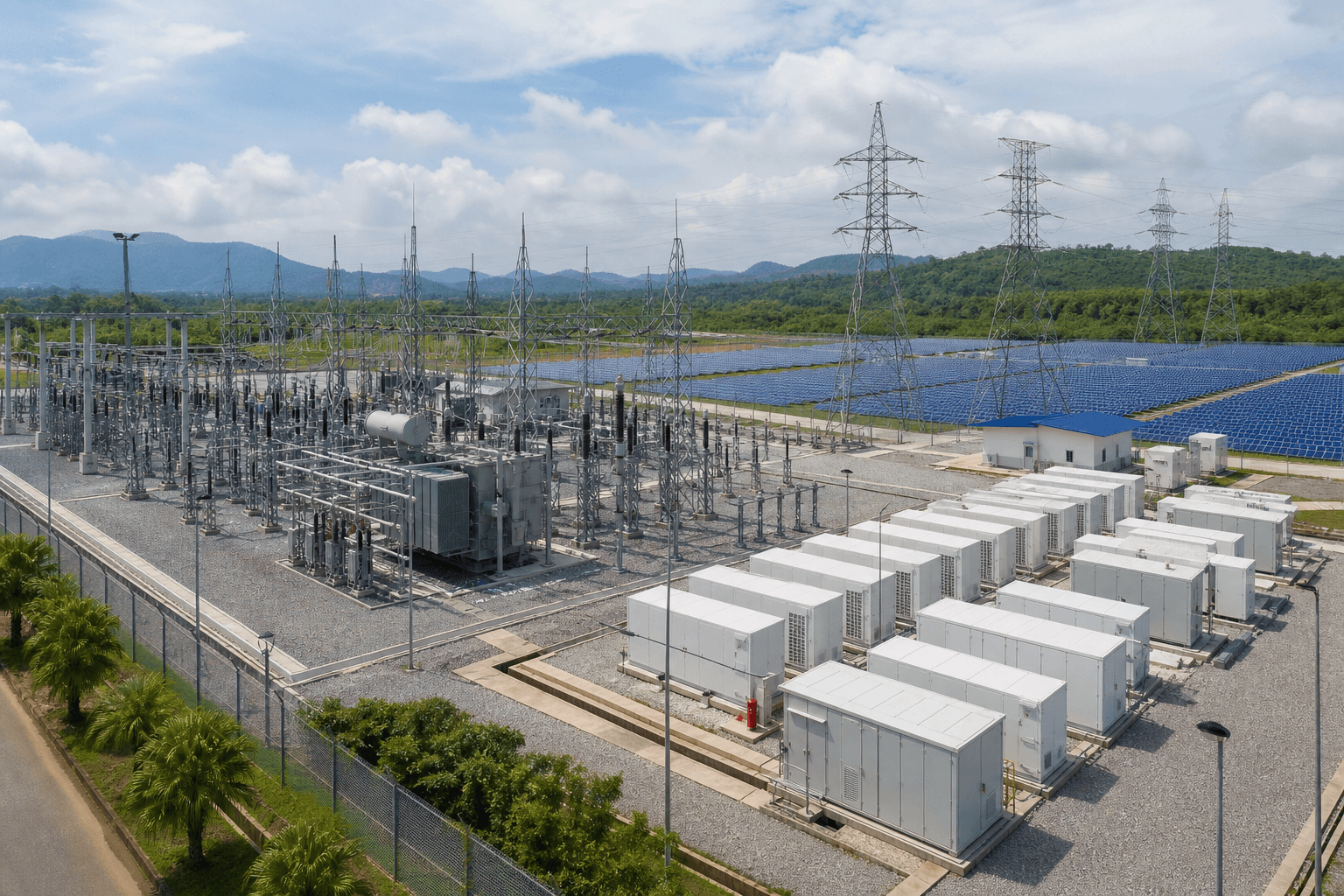
Both routes serve Malaysia’s NETR goals, but they answer different questions. LSS asks: who can deliver grid solar at the most competitive tariff? CRESS asks: which developers can supply corporates — data centres, manufacturers, multinationals with RE100 commitments — with renewable energy they choose to buy?
How the LSS6 route works
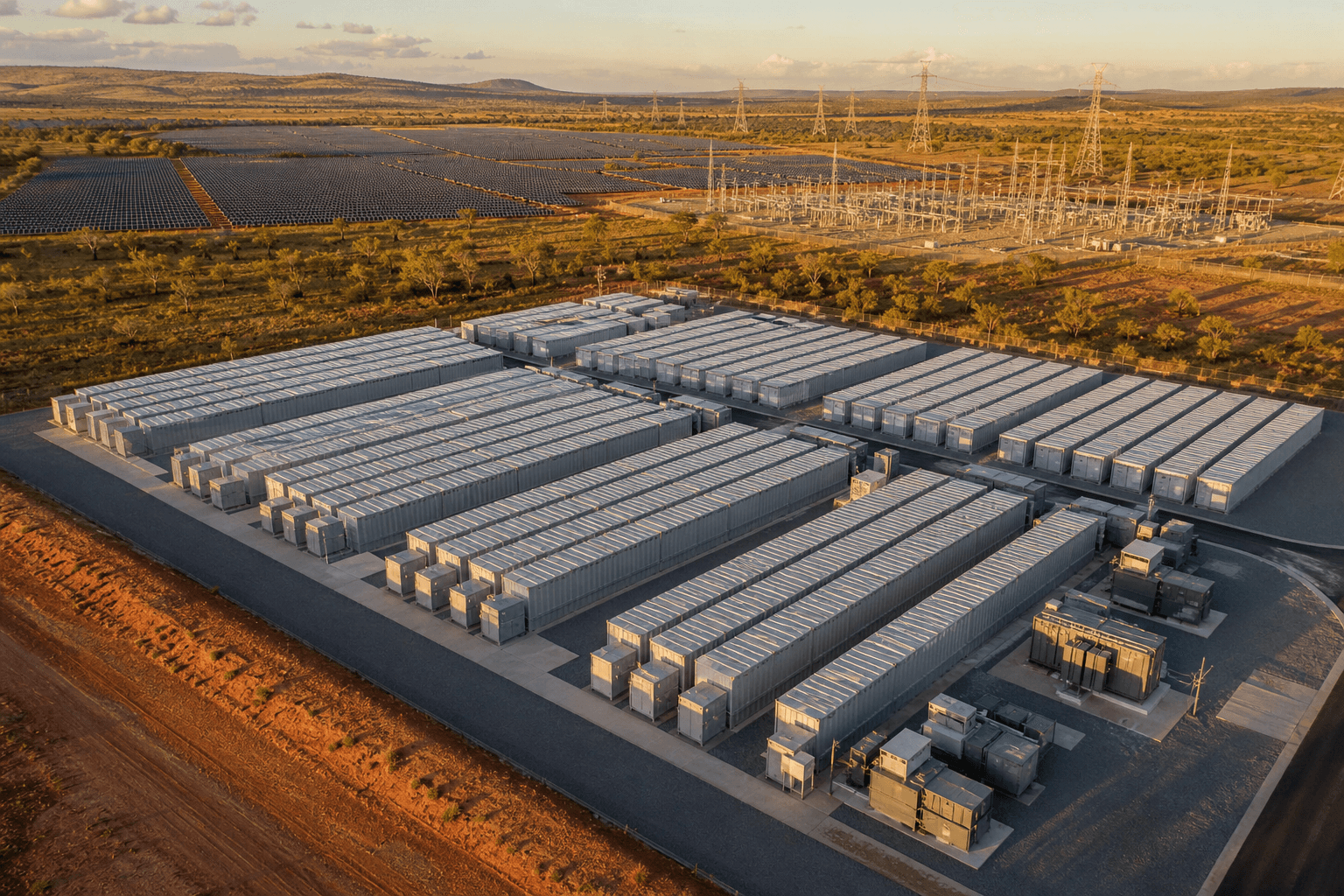
Under LSS6, developers bid a tariff in a competitive tender run by the Energy Commission. Winners sign a long-term PPA with TNB — around 21 years in recent rounds — and deliver energy to the grid. Revenue is contracted, predictable and bankable; competition happens once, at the bid.
- Offtaker: TNB under a long-term PPA
- Revenue: fixed tariff — high certainty, set by competition
- Timing: follows the tender cycle and COD milestones
- Key risks: winning the bid, delivery deadlines, grid compliance
How the CRESS route works
CRESS, launched in late 2024, opens the grid to third-party access: a developer generates renewable energy and sells it directly to a corporate consumer, paying a system access charge for using the network. There is no tender — the commercial race is to sign creditworthy offtakers and deliver a supply profile they value.
- Offtaker: corporate buyers under negotiated agreements
- Revenue: bilateral pricing — flexible, but counterparty-dependent
- Timing: market-driven — move when your offtaker is ready
- Key risks: offtaker credit, supply-demand matching, access-charge economics
Where BESS fits in each route
Storage strengthens both pathways, but for different reasons:
- LSS6: grid-code compliance, ramp control, curtailment protection and evening dispatch value
- CRESS: matching variable solar to the corporate buyer’s actual load — including nights and cloudy periods
- Both: stronger bankability, insurability and long-term asset value
- Both: readiness for future grid-support and ancillary revenue opportunities
Which route fits which player?
Developers with strong balance sheets, tender experience and appetite for contracted returns tend to anchor on LSS. Developers with corporate relationships — especially around data centres and export-oriented manufacturers — can move faster under CRESS and price the value of a firmed, storage-backed supply profile.
They are not mutually exclusive. Many serious players pursue both: LSS capacity for contracted baseline returns, CRESS projects for higher-growth corporate demand. The common denominator is the same: credible Solar + BESS engineering that offtakers, lenders and the system operator all trust.
How Solunar supports both routes
Solunar provides the storage technology layer for either pathway: BESS feasibility and sizing, battery supply across BYD, EVE and GoodWe, PCS/EMS integration, grid-compliance engineering, safety documentation and long-term O&M. Whether your offtaker is TNB or a data centre, the battery has to perform for decades — that is the part we make bankable.
LSS6 vs CRESS in one view:
- LSS6: competitive tender, TNB PPA, contracted revenue, tender-cycle timing
- CRESS: open grid access, corporate offtakers, negotiated pricing, market timing
- BESS in LSS6 serves the grid; BESS in CRESS serves the buyer’s load profile
- Both routes reward bankable storage engineering and long-term O&M
- Serious developers increasingly pursue both in parallel
Frequently Asked Questions
Yes. The routes are complementary — LSS capacity provides contracted, bankable returns while CRESS projects serve growing corporate demand. Many developers build a portfolio across both.
CRESS timing is market-driven — a project can move as soon as an offtaker, site and grid access are secured. LSS follows the Energy Commission’s tender cycle and COD milestones.
Not always, but storage substantially improves supply matching: corporates consume at night and in cloudy periods, and a BESS lets a solar developer deliver a firmer profile the buyer values — often the difference in winning the offtake.
Under LSS6, TNB buys the plant’s output under a long-term PPA. Under CRESS, one or more corporate consumers buy directly from the developer, with energy delivered through the grid for a system access charge.
Related reading
Keep exploring — more from the Solunar Knowledge Centre:
Have a Solar + BESS project to discuss?
Solunar supports EPCC companies, developers and asset owners with technology, integration and O&M.